Sweeping Is Not Cosmetic
A clean lot photographs well. What sweeping actually protects is the drainage system and the surface underneath it.
September 2, 2026 · 3 min read
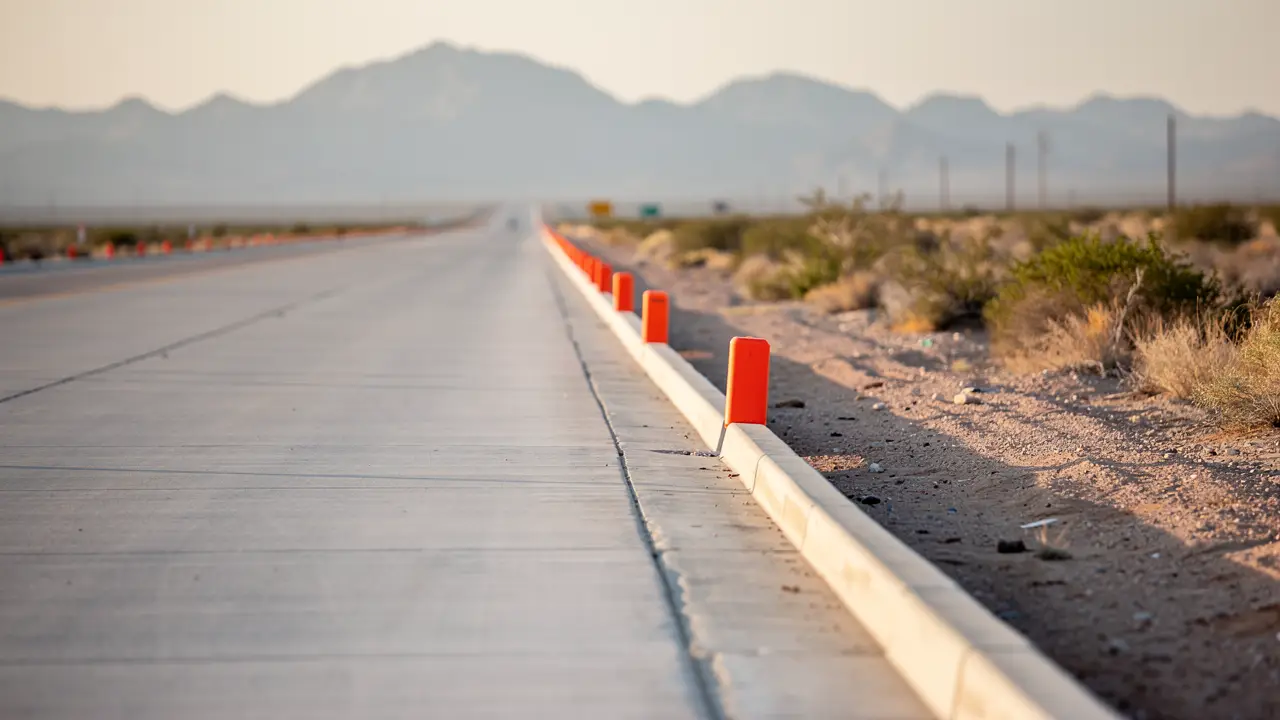
Sweeping gets treated as a cosmetic line item, the thing that happens before a property looks presentable for a walkthrough or an inspection. Treated that way, it is one of the first services to get cut when a budget gets tight. That is a mistake, because sweeping is doing structural work the whole time, whether anyone notices or not.
Where the debris actually goes
Dirt, sand, leaves, trash and vehicle debris that build up on a street or parking lot do not just sit there looking bad. Rain washes them toward the lowest point on the surface, which is almost always a storm drain or a catch basin. A lot that has not been swept in months is feeding sediment straight into the drainage system every time it rains, and that sediment is exactly what eventually clogs a catch basin and turns a normal rainstorm into standing water.
What accumulated grit does to the surface itself
Loose sand and grit trapped against asphalt or concrete under tire traffic acts like sandpaper, wearing down the surface faster than clean traffic would. On a lot with striping, that same grit accelerates the fade and wear of the paint lines, which is part of why a lot swept on a regular schedule tends to hold its striping and its surface condition longer than one that is not.
Why the one to two day window matters
A property that needs sweeping rarely has the option to shut down while it happens. A parking lot serving a business, a school or a public facility needs the work done in a window that does not disrupt whoever is using the lot that week. A contractor who can commit to finishing a sweeping project within one to two days, rather than stretching it out, is the difference between a manageable maintenance task and a week of parking headaches.
How often a lot actually needs it
There is no single schedule that fits every property. A lot near construction, near unpaved areas, or exposed to heavy seasonal leaf and debris fall needs sweeping more often than a lot that sees light, clean traffic. The signal to watch for is not a calendar date, it is visible sediment building up at the low points and curb lines faster than it used to. A property that tracks that instead of guessing on a fixed schedule tends to catch drainage problems before they become expensive ones.
The liability angle nobody budgets for
Standing water, debris in a walkway, and faded or obscured striping and signage are all things an insurer or an attorney will ask about after a slip, a trip or a fender bender on a property. A documented, regular sweeping schedule is not just about appearance. It is part of the paper trail that shows a property was reasonably maintained.
Why it belongs on the same scope as striping and signage
Sweeping, striping and signage are usually bid as separate, unrelated line items, which means the schedule for each one drifts independently and nobody is looking at the lot as a whole system. A lot swept clean but never restriped still reads as neglected. A freshly striped lot buried under sand within a month looks worse than before the paint went down. EGL Construction offers street and highway sweeping and parking lot sweeping, and describes its team as able to finish sweeping projects within one to two days, which matters for a site trying to stay operational during the work instead of shutting down for a week.
For a property or facility manager weighing whether sweeping is worth keeping in the budget, the honest answer is that it protects the drainage system and the surface underneath the lot, not just the impression an inspector walks away with. EGL Construction serves El Paso, Hudspeth and Brewster counties and makes house calls. Call 915-525-2302 to ask about a sweeping schedule alongside striping and signage.
EGL Construction Inc., (915) 525-2302
Call (915) 525-2302More articles
Caliche, Compaction and Why the Slab Cracks
Most slab cracks in El Paso start below the concrete, not in it.
What Cooperative Purchasing Actually Means for a Public Buyer
Cooperative purchasing lets a public agency use work someone else already vetted. It does not remove your job, it changes it.